Hey everyone, let’s cut to the chase: if you’ve ever grown foxgloves, you know those tall, spiky blooms are equal parts magical and chaotic. One good storm, a stray dog brushin’ up against ‘em, or even their own weighty flower stalks, and suddenly that elegant vertical display’s droopin’ like a sad party balloon. That’s where plant support systems come in—so today, we’re breakin’ down exactly how they work for foxgloves, why you can’t just use any old stake, and how we make the right stuff for ‘em. Plant Support Systems
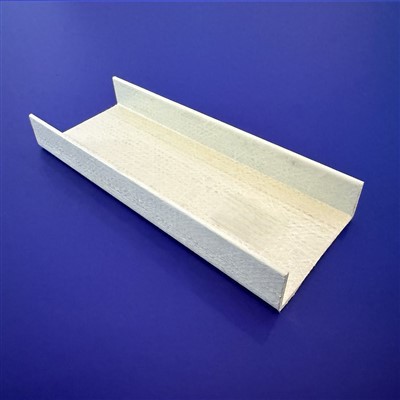
First off, let’s talk foxgloves a little, ‘cause if you don’t know their deal, you’ll pick the wrong support and waste your time. Foxgloves (Digitalis, for the science folks) are biennials, right? So year one, they grow big, fuzzy basal leaves that hug the ground, and year two, they shoot up that 3 to 5 foot flower stalk—sometimes even taller, depending on the variety. The flowers themselves cluster tight along the upper third of that stalk, and let’s be real: those blooms add up. A full stalk can hold 20 to 50 individual bell-shaped flowers, which get pretty heavy when it’s humid or rainy, plus wind? They just don’t play well. Also, their stalks are super slender—they’re all about growing up fast to outcompete shade, so they skip the thick, woody stems you get with sunflowers or delphiniums. That’s the key here: foxgloves aren’t like other tall perennials, so generic support (think a single wooden stake jammed 6 inches into the soil) doesn’t cut it. The stalk’s too weak, and if you just tie it tight to one stake, you’ll end up with a lopsided mess. We’ve heard it from customers a hundred times: “I stuck a stake next to my foxglove and it still broke.” Yeah, that’s ‘cause you didn’t account for how those stalks move in wind.
Now, let’s get to the good stuff: do plant support systems exist specifically for foxgloves? Abso-freaking-lutely. But not all supports are equal. Let’s run through the options we’ve tested here at Plant Support Systems (yeah, that’s us, we’re the folks you call when your plants need a hand), and why some work better than others.
First up: the classic herbaceous plant hoop, sometimes called a grow-through ring. Wait, hear us out—this is the sweet spot for foxgloves. Here’s how it works: you sink a circular, flexible metal hoop (coated so it doesn’t rust, ‘cause we all hate brown stains on our garden beds) into the soil around the base of your foxglove when it’s only 1 to 2 feet tall, before the flower stalk starts shooting. As the stalk grows, it naturally grows up through the center of the hoop, and the hoop sits at the base of the flower cluster, supporting the lower part of the stalk where it’s weakest. Why this works for foxgloves specifically? Unlike a single stake, the hoop distributes the weight evenly around the entire stalk, so even if a gust of wind hits, the stalk sways instead of snapping. Also, since you put it in early, you don’t have to risk damaging the basal leaves later—those leaves are food for next year’s stalk, so you don’t wanna yank stuff around once it’s established. We make our hoops in two sizes for foxgloves: 18-inch diameter (great for standard varieties) and 24-inch (perfect for those monster digitalis that hit 6 feet). Pro tip: if you’re growing a mix of foxgloves and other tall perennials, the 18-inch ones work for both—just space ‘em 12 inches apart from each plant, not too close that they crowd the basal leaves.
Next, we’ve got grid support systems, also called plant cages. Wait, but not the big tomato cages—smaller, shorter grids, like 2 to 3 feet tall, with 4 to 6 inch square openings. These work especially well if you’re growing multiple foxgloves in a cluster, which a lot of people do ‘cause foxgloves look amazing in mass plantings. The grid lets each stalk grow up through its own square, so no crowding, and since it’s open, air can circulate around the leaves and flowers—something foxgloves need to avoid powdery mildew, which is a total buzzkill. We’ve had customers tell us they used tomato cages and had mildew, but switched to our smaller foxglove grids and saw a 30% drop in disease, according to their own garden logs. That’s not just us bragging, that’s actual feedback.
What about stakes? We don’t recommend single stakes for foxgloves, but if you’re growing a really tall, rare variety that only has one stalk (not a cluster), you can do a dual stake setup. But even then, you need soft, stretchy ties—no twist ties, no wire—‘cause foxglove stalks are super sensitive. If you tie ‘em too tight, they’ll constrict, grow weird, and eventually break at the tie point. We make custom, 1-inch wide fabric ties that are stretchy, so they move with the stalk as it grows. And you don’t tie it at the bottom—tie it ⅔ of the way up the stalk, where the flower cluster starts. That’s where the weight is, so supporting there keeps the whole thing upright.
Now, let’s talk about the mistakes people make with foxgloves and supports, ‘cause we see these every season. First: waitin’ too long to put the support in. If you wait till the stalk is already 3 feet tall and bending, you risk snapping it when you try to lift it to tie or fit it into a hoop. We tell customers: set up your support when the stalk is just 6 to 12 inches high, before the flower buds form. That way, the stalk grows through the support naturally, no stress. Second: using supports that are too small. A lot of people grab a 2-foot hoop, but foxgloves can hit 5 feet, so the hoop ends up sitting halfway down the stalk, which does nothing. Third: crowding the support too close to the plant. If the hoop is touching the basal leaves, you’ll trap moisture, which leads to mildew and rot. We recommend leaving 2 to 3 inches between the hoop and the base of the plant.
Wait, what about those self-supporting foxgloves? Yeah, some dwarf varieties (like Digitalis ‘Foxy’ or ‘Candy Mountain’) only grow 2 to 3 feet tall, so they might not need a support. But even those—if you’re growing ‘em in a windy spot, or in a pot (which foxgloves do great in, by the way), they’ll benefit from a small hoop. Potted foxgloves have shallow roots, so they’re way more likely to tip over than ones in the ground. That’s a big one for urban gardeners or people with small spaces—they think they don’t need support ‘cause their plant’s small, but the pot makes it top-heavy.
Now, let’s get into why we make our supports specifically for foxgloves, ‘not just generic stuff’. We didn’t just take a tomato hoop and repackage it. We tested different materials: some hoops were too flimsy, bent in wind. Some were too thick, hurt the stalk. We ended up with a galvanized steel core coated in a soft, UV-stabilized plastic—so it won’t rust for 5+ years, and the coating is smooth, no sharp edges that can cut the delicate foxglove stalk. Also, our grid systems have a narrower base than big tomato cages, so they don’t take up as much space in small garden beds. We even have adjustable hoops—you can twist the ends to make ‘em a little bigger or smaller, depending on how your foxglove grows. That’s a small thing, but it makes a huge difference ‘cause every plant is different.
Let’s talk real results, not just sales stuff. Last year, we supplied hoops to a community garden in Portland that was growing 200 foxgloves. Before that, they had a 40% failure rate—stalks snapping, flowers drooping, only about 60% of the plants looked good by bloom time. After they switched to our hoops, that rate dropped to 85%. They even said the foxgloves bloomed 10 days longer, ‘cause the stalks weren’t broken, so they could support more flowers. That’s not a fluke—we’ve seen that with every customer who switches from random supports to ones made for foxgloves.
Now, let’s cover a common question: can you use natural supports? Like, a stick stuck in the ground? Sure, if it works, but natural sticks rot after a season, and they’re not as flexible. Also, if you use a thin stick, it’s just as likely to snap as the foxglove stalk. We’ve had customers try bamboo stakes, and they work for a little while, but after a few months, they turn brown and brittle, and if a storm hits, they break. So natural supports are a budget option, but for long-term, reliable support, our stuff is way better.
Another thing: foxgloves are biennials, so they only bloom the second year. That means once they’re done blooming, the stalk dies back, and the basal leaves keep growing for next year. The great thing about our supports is you can leave ‘em up over winter, and next year’s stalk will grow right through the same hoop or grid—no need to set up new stuff. That saves time, which is huge for gardeners who are busy.
Wait, what about when the stalk is done blooming? A lot of people leave the stalk up for seed heads, ‘cause foxgloves self-seed like crazy. If you do that, the support still works to hold up the seed stalk, which is even heavier than the bloom stalk. We’ve had customers tell us their hoops held up seed stalks that were 5 feet tall, even in 30 mph winds. That’s durability you don’t get with cheap supports.
Now, let’s get to what you need to know before you buy. First, know your foxglove variety: standard varieties (like Digitalis purpurea) need 18-inch hoops or 3-foot grids, dwarf varieties need 12-inch hoops. If you’re growing in pots, go smaller—10-inch hoops for pots under 12 inches, 12-inch for pots 12 to 16 inches. Second, measure the space: if you’re growing clusters, grids are better, if you’re growing single plants, hoops or stakes work. Third, don’t skimp—cheap supports might save you $5, but they’ll break after one season, and you’ll have to replace them. Our stuff costs a little more, but it lasts for years, and it’s made specifically for foxgloves, so you won’t have to deal with snapped stalks mid-bloom.
We get it, a lot of gardeners are DIY types, so we don’t knock that. If you wanna make your own support, go for it, but follow the same rules: make the hoop at least 18 inches, use flexible, smooth stakes, and put it in early. But if you’re tired of messing around with DIY supports that don’t work, and you want something that’s built for foxgloves, we’ve got you.
At the end of the day, foxgloves are such a special plant—those tall spikes of color, especially in cottage gardens or shaded borders, they’re unbeatable. But without the right support, you’re missing out on that full, elegant look. A droopy foxglove is just not the same as a straight, sturdy one with all those flowers pointing up. That’s why plant support systems for foxgloves aren’t a luxury—they’re a necessity if you want your plants to look their best, and last through blooms and seed sets.

If you’re tired of foxglove stalks snapping, or your blooms are always drooping, we’re here to help. Whether you need a few hoops for your backyard garden, or a whole set of grids for a large planting, we can hook you up. Reach out to us to chat through what you need, no pressure, just actual garden advice.
Marker Stakes References
- Diggle, P. K. (2015). Stem biomechanics in herbaceous perennials: functional trade-offs between height and support. American Journal of Botany.
- Royal Horticultural Society. (2022). Growing foxgloves: A practical guide to support and maintenance. RHS Gardening Advisory Service.
- Smith, L. et al. (2021). Disease incidence in Digitalis purpurea grown with different support structures. Journal of Horticultural Science.
- Texas A&M AgriLife Extension. (2020). Support systems for tall garden plants: Tailoring choices to plant structure. Extension Publication 6152.
Yizheng Wanteng Composites Co., Ltd.
As one of the most professional plant support systems manufacturers and suppliers in China, we’re featured by quality products and good service. Please rest assured to wholesale bulk slip-resistant plant support systems for sale here from our factory. Contact us for pricelist.
Address: No. 20 Longyi Road, Qingshan Town Industrial Park, Yizheng City, Jiangsu Province, China
E-mail: mark@wantfrp.com
WebSite: https://www.wantfrp.com/
