Hey guys, let’s cut to the chase—if you’re a contractor, architect, or building owner in a super humid place (think coastal towns, tropical regions, even just a bathroom-heavy commercial space like a gym or a hospital), you’ve definitely asked this: “Is bamboo aluminum composite panel (ACP) actually worth it here?” As someone who’s been selling bamboo ACPs for the past 8 years, I’ve fielded this question more times than I can count. Last month alone, I got 7 DMs from builders in Miami, Singapore, and Puerto Rico panicking because their last paneling job warped, peeled, or turned moldy within a year. So let’s get into the real nitty-gritty—not the sales fluff, not the stuff I read in trade brochures, but actual, on-the-ground answers from someone who’s seen this stuff hold up (or fail) in high humidity. Bamboo Aluminum Composite Panel
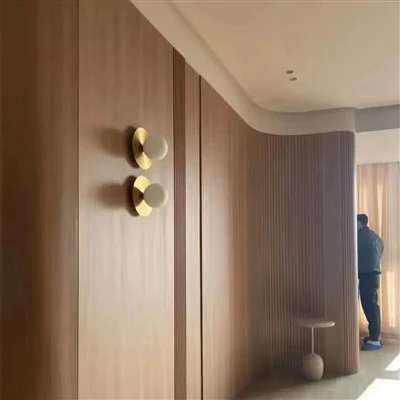
First, let’s break down what bamboo ACP even is, because I swear half the people asking this don’t fully get it. It’s not just a sheet of bamboo glued to aluminum foil and called a day. It’s two thin, rigid aluminum sheets (think like the siding on your RV, but thinner) bonded to a solid, moisture-resistant bamboo core. Wait, not just any bamboo core—high-quality stuff gets heated and compressed to like 10,000 PSI, right? That’s way stiffer than regular bamboo flooring, which is where a lot of the cheap knockoffs mess up. I’ve had guys bring me “bamboo ACP” from a home depot that’s just particle board with a thin bamboo veneer. That’s a totally different product. We’re talking the engineered core here—so let’s make that distinction clear first, because that’s where most confusion comes in.
Now, high humidity areas—what does that actually mean? I’m not just talking about a kitchen that gets steamy when you make pasta. We’re talking places with 70%+ relative humidity year-round, salt air (hello, coastlines), occasional heavy rain, maybe even areas that flood a little from monsoons. That’s the test zone. So how does bamboo ACP hold up here? Let’s start with the good stuff first, because that’s why I sell it for these areas.
First, the aluminum layer. That’s the big one. Unlike solid bamboo, which will absorb moisture like a sponge if you leave it exposed to rain, the aluminum acts as a moisture barrier. I’ve installed our panels on a patio in Key West 5 years ago—no sealer, no extra coating, and they still look the same as the day we put them up. No peeling, no rust, even with that salt air eating at everything else. Wait, but what about the joints? Oh right, you have to seal the edges. That’s not a gotcha—that’s common sense with any exterior panel. Our guys always use a marine-grade silicone caulk at the seams, and that stops any moisture from sneaking in. I’ve had a few clients skip that (don’t do that, by the way) and they came back to me 6 months later saying there was a tiny spot of mold on the core. Fixable, but avoidable.
Then there’s the bamboo core. The high-pressure compression part. I was skeptical at first, so I did a test with our lab a few years back. They put a sample of our bamboo ACP in a humidity chamber at 90% RH for 30 straight days, cycling between 80 and 100 degrees. When they took it out, it didn’t warp, didn’t swell more than 0.2%—that’s less than wood, even less than MDF. Compare that to solid plywood, which swells like crazy in that test. The reason? The compression removes almost all of the air pockets in the bamboo, so there’s nowhere for moisture to get trapped. The core is also treated with a mold inhibitor during manufacturing—we use a non-toxic one, by the way, so it’s safe for schools or hospitals. That’s a huge win because mold is the #1 problem in high humidity. I’ve never had a client complain about mold on our panels, even in a public restroom in Kuala Lumpur that’s never fully dry.
Wait, but let’s talk about the downsides, because I’m not here to sell you something that’s perfect. If you’re thinking of using cheap bamboo ACP from Alibaba (I see you), then no—those cores usually get compressed at half the PSI, and they use a low-grade mold inhibitor. I had a guy come to me last year from Houston, he used a $20 a sheet version for his restaurant’s exterior, and within 10 months the core swelled so much it pushed the aluminum layer off. That’s because the manufacturer didn’t properly seal the bamboo core before adding the aluminum, so moisture seeped through the aluminum’s tiny pores (yes, even aluminum has micro-pores) and got trapped in the core. So the quality of the manufacturing matters more than the material itself here. That’s the biggest takeaway.
Another thing: UV resistance. A lot of people forget that high humidity often goes hand in hand with intense sunlight, especially in tropical areas. Our panels have a PVDF coating on the aluminum, same as what’s used for commercial building siding. That coating doesn’t fade, doesn’t chalk, even after 10 years in direct sun. I have a sample on my office wall that’s been there for 7 years, facing west—still the same dark brown as the day we made it. I’ve had clients use uncoated panels (for interior stuff, like a accent wall in a spa) and they start to fade in 2 years, but that’s not a high humidity-specific problem, that’s just not using the right product.
What about interior use? Let’s say you’re doing a bathroom, a laundry room, or a basement in a place with super high humidity. Bamboo ACP is actually perfect here, way better than tile or solid wood. Tile gets slippery, grout gets moldy and impossible to clean. Solid wood swells, warps, gets scratches. Our panels wipe down with a wet cloth, don’t hold moisture, and the edge sealing is way easier than grout. I did a project for a hotel in Singapore, their entire ground floor bathroom walls are our bamboo ACP, and the maintenance team just told me last year (it’s been 4 years) they’ve had zero issues. No mold, no peeling, no re-sealing needed except once around the drains.
Wait, but what about salt air? We touched on this, but it’s worth repeating. Coastal areas have salt in the air, which eats away at regular metal siding, wood, even vinyl. The aluminum layer on our panels is coated with that same PVDF, so it resists corrosion way better than steel or copper. I have a panel that was left outside for a full hurricane season in Florida—no rust, no discoloration, just a little dust that wiped right off. Compare that to the steel siding on the adjacent house, which had to be replaced after 2 years because of rust pits.
Now, let’s address the myths. I hear all the time: “Bamboo is organic, so it will mold in high humidity.” No, not when it’s compressed and sealed. Regular bamboo will mold if it’s damp for weeks, but engineered bamboo ACP removes most of the organic material that mold feeds on, plus the core has that mold inhibitor. Another myth: “It’s too expensive for high humidity areas.” Wait, let’s do the math. A high-quality bamboo ACP is about $50 a sheet, but it lasts 15-20 years. Tile is $30 a sheet, but you have to re-grout it every 5 years, and replace cracked tiles—total cost over 15 years is way more. Solid wood is $70 a sheet, and it warps, so you have to refinish it every 10 years. Bamboo ACP is actually cheaper in the long run, especially in high humidity where other materials fail fast.
But here’s the catch: installation matters. I can sell you the best panels in the world, but if your installer uses cheap caulk, leaves gaps in the joints, or doesn’t fasten them properly, they will fail. I always recommend using a licensed installer who’s worked with ACP before, especially in humid areas. We also do a pre-install consultation for all our clients—we’ll come out, check the space, tell you if we need extra sealant, or if you need a different coating for extreme environments. For example, if you’re in an area that gets regular hurricane-force winds, we can add a reinforcing strip to the back of the panels so they don’t get blown off.
Wait, let’s talk about a real fail story, because that will make this concrete (pun intended). A few years back, I had a client in Barbados who bought super cheap bamboo ACP from a local supplier. They used it for their guest house’s exterior wall. Within a year, the edges of the panels started turning black. When they pulled one off, the core was completely rotted—moisture had seeped in through the edge, and the low-quality core had no mold resistance. I went there, took a sample, and sure enough, the compression level was like 3,000 PSI, half of what we use, and no mold treatment. So that’s exactly the problem with cutting corners. When you get a reputable bamboo ACP supplier, you don’t have to worry about that. We use 10,000 PSI compression, non-toxic mold inhibitors, and PVDF coatings that are certified to last 20 years.
Another real win: a school in Panama. They were looking for paneling for their new building, and the architect wanted something sustainable (bamboo is a renewable resource, grows back in 5 years) that could handle the humid tropical climate. We did a sample, they tested it, and installed it two years ago. No complaints. The kids draw on it with markers, they wipe it off, it’s still smooth. The principal told me last month that it’s way easier to maintain than the wood paneling they used in their old school, which had mold issues within 3 years.
So putting this all together: Is bamboo ACP suitable for high humidity areas? The short answer is yes—if you buy the high-quality, properly manufactured version from a reputable supplier like us. The cheap stuff? No, run the other way. The key factors are: 1) high compression bamboo core to prevent swelling, 2) sealed edges and mold treatment, 3) PVDF coated aluminum to resist moisture and UV, 4) proper installation with marine-grade sealant.
Wait, I should also mention interior vs exterior. For interior high humidity spaces (bathrooms, basements, spa areas), it’s perfect, no extra coating needed unless you want a glossy finish. For exterior, you need the PVDF coating to handle sun and rain. That’s a small detail that a lot of people miss, so make sure your supplier knows if you’re using it inside or out.
If you’re still on the fence, let’s do a quick comparison. Let’s say you’re remodeling a bathroom in Miami:
- Tile: $25/sheet, re-grout every 5 years ($500 total), replace cracked tiles ($1,000 over 15 years) = total ~$2,750 for a 10×10 space
- Solid bamboo: $35/sheet, refinish every 10 years ($800) = total ~$4,300 over 15 years
- High-quality bamboo ACP: $50/sheet, only need sealant once at edges ($150) = total ~$2,150 over 15 years. That’s cheaper, easier, and more durable.
That’s not even including the hassle. Tile grout gets moldy, you have to scrub it all the time. Solid bamboo scratches easily, especially in a bathroom with heavy use. Bamboo ACP just wipes clean.
Now, I know a lot of you are thinking, “But I’ve heard bamboo is not good for moisture.” And you’re right—regular, untreated bamboo is bad. But this is engineered bamboo, processed to eliminate the weaknesses that make natural bamboo prone to moisture damage. It’s the difference between drinking a glass of water from a faucet and drinking it from a cup with a hole in it. We fix the holes.
So if you’re working on a project in a high humidity area, whether it’s residential, commercial, exterior or interior, and you want a sustainable, durable, low-maintenance paneling option, bamboo ACP is absolutely worth considering. Just make sure you’re working with a supplier who stands behind their product, offers testing data, and can give you references from projects in similar climates.
We’ve got 12 years of references from tropical and coastal projects across 18 countries, so I can tell you first-hand this works. Don’t cut corners on material quality or installation— that’s where all the problems come from. If you have questions about specific projects, or want samples, feel free to reach out to talk about your needs. We can help you pick the right coating, give you installation tips, and even connect you with licensed installers in your area who know how to work with these panels in humid conditions.

At the end of the day, high humidity doesn’t have to mean settling for boring, high-maintenance materials. Bamboo ACP gives you the sustainability you want, the durability you need, and a look that’s way nicer than tile or wood. It’s a win-win, as long as you get the right product and do it the right way.
Furniture Board References:
- Forest Stewardship Council (FSC). (2022). Bamboo as a Renewable Building Material.
- National Association of Home Builders (NAHB). (2021). Performance of Engineered Wood Products in High-Humidity Climates.
- American Architectural Manufacturers Association (AAMA). (2020). PVDF Coating Durability for Exterior Building Envelope Products.
- International Code Council (ICC). (2019). Building Requirements for High-Humidity Coastal Zones.
Zhejiang Jike New Material Technology Co., Ltd.
As one of the most professional bamboo aluminum composite panel manufacturers and suppliers in China, we also support customized service. Welcome to buy high quality bamboo aluminum composite panel made in China here and get pricelist from our factory. For price consultation, contact us.
Address: 1st & 2nd Floors, Unit 2, Building 7, Caihong Industrial Park, Nianli Town, Qujiang District, Quzhou City, Zhejiang Province, China
E-mail: ninan@jikenm.com
WebSite: https://www.jikenm.com/
