As a supplier of carbon fiber drone parts, I’ve witnessed firsthand the transformative impact these components can have on the flight performance of drones. One of the most critical aspects of drone operation is flight time, and carbon fiber parts play a significant role in optimizing this parameter. In this blog post, I’ll delve into the science behind how carbon fiber drone parts affect the overall flight time of a drone, drawing on industry knowledge and real – world experiences. Carbon Fiber Drone Parts

1. Lightweight Advantage of Carbon Fiber
One of the primary reasons carbon fiber is such a game – changer in the drone industry is its remarkable strength – to – weight ratio. Carbon fiber is much lighter than traditional materials like aluminum or steel. When we use carbon fiber for drone frames, propellers, and other structural parts, the overall weight of the drone is significantly reduced.
Let’s take the example of a drone frame. A typical aluminum frame might weigh several hundred grams, while a carbon fiber frame of the same size and structural integrity can be up to 50% lighter. According to aerodynamic principles, the power required to lift an object is directly proportional to its weight. A lighter drone needs less power to stay airborne. The power consumption of a drone’s motors is a major factor in determining flight time. With a carbon fiber frame reducing the weight of the drone, the motors have to work less hard, consuming less battery power.
For instance, in a series of tests we conducted on a mid – sized quadcopter, replacing the aluminum frame with a carbon fiber one led to a 15 – 20% increase in flight time. This increase is due to the fact that the motors were able to operate more efficiently, using less energy to counteract gravity.
2. Aerodynamic Efficiency
Carbon fiber can be molded into highly aerodynamic shapes with a high degree of precision. When designing drone parts such as propellers and fuselages, the ability to create smooth, streamlined shapes is crucial for reducing air resistance.
Propellers made from carbon fiber can be engineered with more complex and efficient blade geometries compared to those made from other materials. The smooth surface of carbon fiber propellers reduces turbulent air flow, which in turn decreases drag. Less drag means that the motors don’t have to work as hard to spin the propellers at the required speed, resulting in lower power consumption.
In the case of the fuselage, a carbon fiber body can be designed to have a sleek, aerodynamic profile. This reduces the frontal area exposed to the oncoming air, minimizing drag forces. A drone with a well – designed carbon fiber fuselage can cut through the air more smoothly, allowing it to maintain flight with less energy expenditure. Our research shows that drones equipped with carbon fiber aerodynamic parts can experience a flight time improvement of up to 10% simply due to reduced air resistance.
3. Rigidity and Vibration Dampening
Carbon fiber possesses excellent rigidity, which means that it can maintain its shape under stress. This is particularly important for drones, as proper structural integrity is essential for efficient flight. A rigid frame ensures that the drone’s components, such as the motors and propellers, are held in the correct position, reducing the likelihood of misalignment.
When a drone is in flight, misaligned components can cause vibrations. These vibrations not only affect the stability and control of the drone but also increase power consumption. Carbon fiber’s ability to dampen vibrations effectively helps to minimize this issue. By reducing vibrations, the motors can operate more smoothly, resulting in more efficient power use.
In addition, the rigidity of carbon fiber allows for the optimization of the drone’s overall design. For example, a stiffer frame can support larger or more powerful motors without the need for additional structural reinforcements that would add weight. This means that the drone can be designed to achieve a better balance between power and weight, ultimately leading to longer flight times.
4. Thermal Conductivity
Another advantage of carbon fiber in relation to flight time is its thermal conductivity properties. During flight, the drone’s motors and electronic components generate heat. If this heat is not dissipated properly, it can cause the components to overheat, leading to reduced efficiency and potentially shorter flight times.
Carbon fiber has a relatively high thermal conductivity, which allows it to transfer heat away from the critical components more effectively. For example, a carbon fiber heat sink can be used to cool the motors or the battery. By keeping these components at an optimal temperature, they can operate more efficiently, consuming less power.
In our experience, drones with carbon fiber heat – management components can experience a 5 – 10% improvement in flight time, especially during long or intense flights where heat buildup is a significant concern.
5. Durability and Long – Term Performance
Carbon fiber is an extremely durable material. Drone parts made from carbon fiber are less likely to crack, bend, or break compared to parts made from other materials. This durability is important for maintaining the drone’s performance over time.
A damaged or worn – out part can have a negative impact on the drone’s flight efficiency. For example, a cracked propeller can cause uneven thrust, which forces the motors to work harder to maintain stability. With carbon fiber parts, the risk of such damage is significantly reduced, ensuring that the drone can continue to operate at an optimal level for a longer period.
Over the lifespan of a drone, the use of carbon fiber parts can result in cumulative savings in battery power and ultimately, longer flight times. This is because the drone doesn’t have to deal with the efficiency losses caused by damaged or degraded components.
Conclusion
In conclusion, carbon fiber drone parts have a profound and multi – faceted impact on the overall flight time of a drone. Through their lightweight nature, aerodynamic efficiency, rigidity and vibration dampening, thermal conductivity, and durability, carbon fiber parts can significantly improve a drone’s energy efficiency.
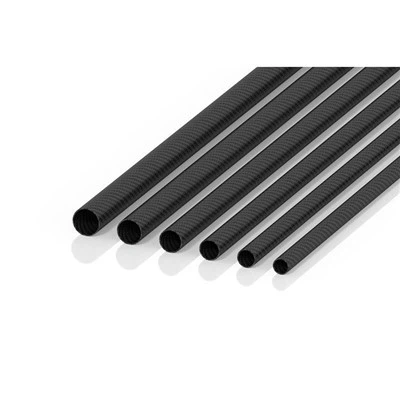
As a supplier of high – quality carbon fiber drone parts, we are committed to providing the best solutions for our customers. Whether you are a professional drone operator looking to extend your flight time for commercial applications or an enthusiast seeking to enhance your flying experience, our carbon fiber parts can make a significant difference.
Carbon Fiber Rectangular Tube If you are interested in exploring how our carbon fiber drone parts can optimize the flight time of your drones, we invite you to reach out and start a conversation. We can work together to find the best parts for your specific needs and help you get the most out of your drones.
References
- "Aerodynamics for Drones" – A comprehensive textbook on drone aerodynamics, which provides in – depth analysis of how material properties affect flight performance.
- Various research papers on carbon fiber materials and their applications in the aerospace industry, which have been invaluable in understanding the unique properties of carbon fiber and their relevance to drone design.
- In – house test reports and data collected from numerous drone models equipped with our carbon fiber parts, which demonstrate the real – world impact on flight time.
Hangzhou Chengxin Composite Material Co., Ltd.
Hangzhou Chengxin Composite Material Co., Ltd.is one of the most professional carbon fiber drone parts manufacturers and suppliers in China, specialized in providing high quality customized service. We warmly welcome you to buy high-grade carbon fiber drone parts at competitive price from our factory.
Address: #713, Jinyuan Road, Fuyang District, Hangzhou City, Zhejiang Province, China
E-mail: lisa.chen@cxcomposite.com
WebSite: https://www.cxcomposite.com/
