As a supplier of decorative expanded metal, I often get asked about the recyclability of our products. It’s a question that reflects a growing concern for environmental sustainability in the construction and design industries. In this blog post, I’ll delve into the topic of whether decorative expanded metal can be recycled, exploring the process, benefits, and challenges associated with its recycling. Decorative Expanded Metal

Understanding Decorative Expanded Metal
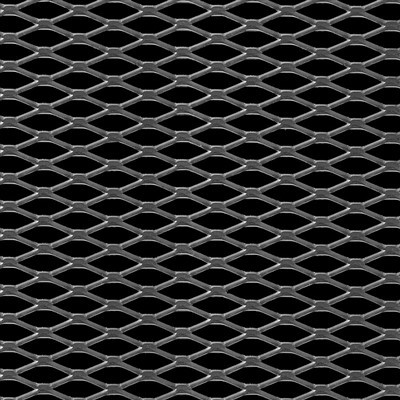
Before we discuss recycling, let’s first understand what decorative expanded metal is. Decorative expanded metal is a type of metal sheet that has been cut and stretched to form a pattern of diamond-shaped openings. It is made from various metals, including steel, aluminum, and stainless steel, and is commonly used in architectural and interior design applications for its aesthetic appeal and functional properties.
Decorative expanded metal offers several advantages, such as high strength, durability, and versatility. It can be used for a wide range of applications, including fencing, railing, screening, partitions, and decorative accents. Its unique pattern allows for the passage of light, air, and water, making it suitable for both indoor and outdoor use.
The Recyclability of Decorative Expanded Metal
The good news is that decorative expanded metal is highly recyclable. Most of the metals used to make decorative expanded metal, such as steel, aluminum, and stainless steel, are among the most recycled materials in the world. Recycling these metals not only conserves natural resources but also reduces energy consumption and greenhouse gas emissions associated with the production of new metal.
The recycling process for decorative expanded metal typically involves the following steps:
- Collection: The first step in the recycling process is to collect the used decorative expanded metal. This can be done through various channels, such as scrap metal dealers, recycling centers, or directly from construction sites and design firms.
- Sorting: Once the decorative expanded metal is collected, it is sorted by type and grade. This is important because different metals have different recycling requirements and values. For example, steel and aluminum are typically recycled separately due to their different melting points and chemical properties.
- Shredding: After sorting, the decorative expanded metal is shredded into small pieces. This increases the surface area of the metal, making it easier to melt and process.
- Melting: The shredded metal is then melted in a furnace at high temperatures. During the melting process, impurities and contaminants are removed, and the metal is purified.
- Casting: Once the metal is melted and purified, it is cast into new shapes and forms, such as ingots, bars, or sheets. These new metal products can then be used to make a variety of items, including decorative expanded metal.
Benefits of Recycling Decorative Expanded Metal
Recycling decorative expanded metal offers several benefits, both for the environment and the economy. Here are some of the key benefits:
- Conservation of Natural Resources: Recycling metal reduces the need for mining and extraction of virgin materials, which helps to conserve natural resources such as iron ore, bauxite, and nickel.
- Energy Savings: Recycling metal requires less energy than producing new metal from virgin materials. For example, recycling aluminum saves up to 95% of the energy required to produce new aluminum from bauxite ore.
- Reduction of Greenhouse Gas Emissions: Recycling metal also helps to reduce greenhouse gas emissions associated with the production of new metal. For example, recycling steel reduces carbon dioxide emissions by up to 75% compared to producing new steel from iron ore.
- Economic Benefits: Recycling metal creates jobs in the recycling industry and reduces the cost of producing new metal products. This can lead to lower prices for consumers and increased competitiveness for businesses.
- Waste Reduction: Recycling decorative expanded metal helps to reduce the amount of waste sent to landfills, which helps to conserve landfill space and reduce environmental pollution.
Challenges of Recycling Decorative Expanded Metal
While decorative expanded metal is highly recyclable, there are some challenges associated with its recycling. Here are some of the key challenges:
- Contamination: Decorative expanded metal may be contaminated with dirt, grease, paint, or other substances, which can make it more difficult to recycle. To ensure the quality of the recycled metal, it is important to clean and prepare the decorative expanded metal before recycling.
- Sorting: Sorting decorative expanded metal by type and grade can be challenging, especially if the metal is mixed with other materials or has been painted or coated. To ensure the efficiency of the recycling process, it is important to sort the decorative expanded metal carefully and accurately.
- Transportation: Transporting decorative expanded metal to the recycling facility can be expensive and time-consuming, especially if the metal is heavy or bulky. To reduce the cost and environmental impact of transportation, it is important to find a recycling facility that is located close to the source of the decorative expanded metal.
- Market Demand: The market demand for recycled decorative expanded metal may be limited, especially if the metal is not of high quality or if there is a lack of awareness about the benefits of recycling. To increase the market demand for recycled decorative expanded metal, it is important to educate consumers and businesses about the benefits of recycling and to promote the use of recycled metal products.
Conclusion
In conclusion, decorative expanded metal is highly recyclable, and recycling it offers several benefits for the environment and the economy. By recycling decorative expanded metal, we can conserve natural resources, reduce energy consumption and greenhouse gas emissions, create jobs, and reduce waste sent to landfills. However, there are some challenges associated with its recycling, such as contamination, sorting, transportation, and market demand. To overcome these challenges, it is important to clean and prepare the decorative expanded metal before recycling, sort it carefully and accurately, find a recycling facility that is located close to the source of the metal, and educate consumers and businesses about the benefits of recycling.
Expanded Metal If you are interested in purchasing decorative expanded metal or have any questions about its recycling, please feel free to contact me. I would be happy to discuss your needs and provide you with more information about our products and services.
References
- American Iron and Steel Institute. (2023). Steel Recycling. Retrieved from https://www.steel.org/steel-in-society/steel-recycling
- Aluminum Association. (2023). Aluminum Recycling. Retrieved from https://www.aluminum.org/advocacy/aluminum-recycling
- Stainless Steel Recycling Institute. (2023). Stainless Steel Recycling. Retrieved from https://www.ssri.org/stainless-steel-recycling
Anping Yilida Metal Wire Mesh Co., Ltd.
Anping Yilida Metal Wire Mesh Co., Ltd. is one of the most reliable decorative expanded metal manufacturers and suppliers in China, also supports customized service. Please feel free to buy bulk high quality decorative expanded metal made in China here from our factory.
Address: Wire Mesh Development Zone, Anping, Hebei Province, China
E-mail: sales@wiremesh-yg.cn
WebSite: https://www.yilidametal.com/
