Regulations for Electrical Tower Stands Electrical Tower Stand
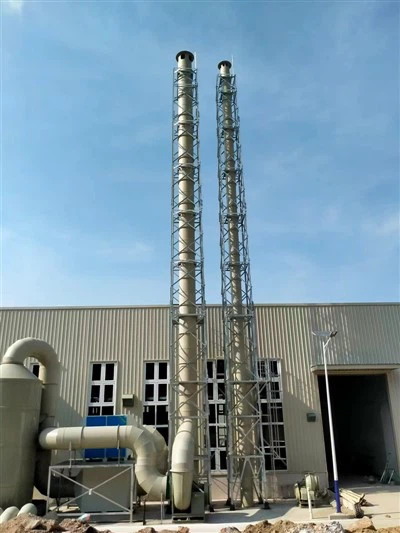
As a supplier of electrical tower stands, I have a deep – seated understanding of the importance of adhering to regulations in the industry. Electrical tower stands are crucial components of power transmission and distribution systems. They support high – voltage power lines, ensuring the efficient and safe transfer of electricity from power plants to end – users. In this blog, I will delve into the various regulations that govern electrical tower stands.
Design and Engineering Regulations
The design and engineering of electrical tower stands are subject to strict regulations. These regulations are in place to ensure that the towers can withstand various environmental and operational conditions.
Structural Integrity
One of the primary design considerations is the structural integrity of the tower. Engineers must calculate the tower’s ability to resist forces such as wind, ice, and seismic activity. For example, in areas prone to high – speed winds, towers are designed with a higher wind load factor. The American Society of Civil Engineers (ASCE) provides standards such as ASCE 7 – 16, which offers guidelines on wind loads for structures, including electrical towers. This standard takes into account factors like the height of the tower, its location (e.g., coastal or inland), and the surrounding terrain.
Material Selection
The choice of materials for electrical tower stands is also regulated. Steel is the most commonly used material due to its strength and durability. However, the quality of the steel must meet certain standards. For instance, the steel should have a specified minimum yield strength and tensile strength. ASTM International has developed standards for steel used in construction, such as ASTM A572, which is often used for electrical tower components. These standards ensure that the steel has the necessary chemical composition and mechanical properties to withstand the stresses placed on the tower.
Foundation Design
The foundation of an electrical tower is critical as it provides stability to the entire structure. Regulations require that foundation designs be based on a thorough geotechnical investigation of the site. The type of foundation, whether it is a spread footing, pile foundation, or caisson, depends on factors such as soil conditions, tower height, and load requirements. In areas with soft or unstable soil, pile foundations may be necessary to ensure the tower remains firmly in place.
Safety Regulations
Safety is of utmost importance when it comes to electrical tower stands. There are several regulations that aim to protect workers during construction and maintenance, as well as the general public.
Worker Safety
During the construction and maintenance of electrical tower stands, workers are exposed to various hazards, including falls, electrical shocks, and heavy equipment accidents. Occupational Safety and Health Administration (OSHA) regulations in the United States set strict standards for worker safety. These include requirements for the use of personal protective equipment (PPE) such as hard hats, safety harnesses, and insulated gloves. Employers are also required to provide proper training to workers on how to safely operate equipment and perform tasks at height.
Public Safety
Electrical tower stands must be designed and located in a way that minimizes the risk to the public. There are regulations regarding the minimum distance between towers and public areas such as roads, buildings, and schools. For example, in many regions, there is a setback requirement that ensures a certain distance between the tower and the nearest property line. Additionally, warning signs must be posted around the tower to indicate the presence of high – voltage lines and the associated dangers.
Environmental Regulations
Electrical tower stands can have an impact on the environment, and there are regulations in place to mitigate these effects.
Land Use and Zoning
Before a tower can be constructed, it must comply with local land use and zoning regulations. These regulations determine where towers can be located and what type of development is permitted in a particular area. For example, in residential areas, there may be restrictions on the height and appearance of the tower to minimize its visual impact. In some cases, permission may be required from a local planning commission or zoning board.
Wildlife and Habitat Protection
Construction of electrical tower stands can disrupt wildlife habitats and migration routes. Regulations require that environmental impact assessments be conducted before construction begins. These assessments identify potential impacts on wildlife, such as nesting sites or feeding areas, and propose measures to minimize or avoid these impacts. For example, in areas where endangered species are present, special precautions may need to be taken to protect their habitats.
Installation and Commissioning Regulations
The installation and commissioning of electrical tower stands are also regulated processes.
Installation Standards
There are specific standards for the installation of electrical tower stands. These standards cover aspects such as the alignment of the tower, the tightening of bolts, and the connection of power lines. For example, bolts must be tightened to a specified torque value to ensure the structural integrity of the tower. Installation teams must follow these standards to ensure that the tower is installed correctly and safely.
Commissioning Tests
After installation, electrical tower stands must undergo commissioning tests. These tests verify the proper functioning of the tower and the associated power lines. Tests may include electrical insulation resistance tests, grounding resistance tests, and load tests. Only after these tests are successfully completed can the tower be put into operation.
Maintenance and Inspection Regulations
Regular maintenance and inspection of electrical tower stands are essential to ensure their continued safe and efficient operation.
Maintenance Schedules
Regulations often require that electrical tower stands have a maintenance schedule. This schedule outlines the frequency of maintenance tasks such as visual inspections, bolt tightening, and corrosion protection. For example, a tower may require a visual inspection every six months and a more comprehensive inspection, including non – destructive testing, every five years.
Inspection Requirements
Inspections are carried out to detect any signs of damage or deterioration. Inspectors must be qualified and follow specific inspection procedures. They look for issues such as corrosion, cracked welds, and loose bolts. If any problems are detected, appropriate corrective actions must be taken in a timely manner.
As an electrical tower stand supplier, we are fully aware of these regulations and ensure that all our products comply with them. Our team of engineers and technicians works closely with regulatory bodies to stay up – to – date with the latest requirements. We use high – quality materials and state – of – the – art manufacturing processes to produce tower stands that meet or exceed industry standards.
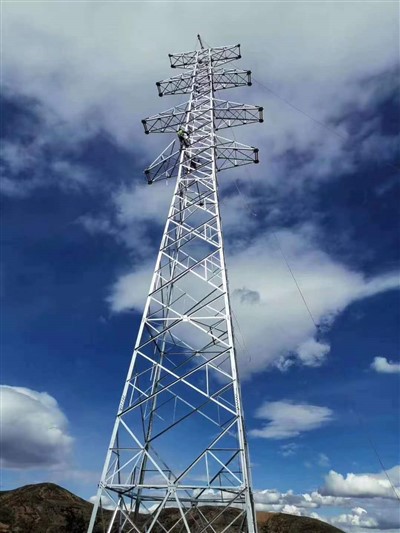
If you are in need of electrical tower stands, we are here to provide you with reliable and compliant products. Our experience in the industry, combined with our commitment to quality and safety, makes us a trusted partner for your power transmission and distribution needs. Whether you are involved in a small – scale project or a large – scale infrastructure development, we can offer customized solutions to suit your specific requirements. Contact us for a detailed discussion on how we can assist you in your next project.
Power Transmission Towers References
- American Society of Civil Engineers (ASCE). (2016). Minimum Design Loads and Associated Criteria for Buildings and Other Structures (ASCE 7 – 16).
- ASTM International. (n.d.). ASTM A572 Standard Specification for High – Strength Low – Alloy Columbium – Vanadium Structural Steel.
- Occupational Safety and Health Administration (OSHA). (n.d.). Safety and Health Regulations for Construction.
Hebei Yifeng Steel Structure Co., Ltd.
As one of the most professional electrical tower stand manufacturers and suppliers in China, we offer a wide range of products with superior quality. Please feel free to buy cost-efficient electrical tower stand for sale here from our factory. Contact us for more details.
Address: Guangchuan Town Industrial Zone, Jing County, Hengshui City, Hebei Province
E-mail: hbyfgjg@163.com
WebSite: https://www.yf-powertowers.com/
