Hey everyone,
If you’re a small to mid-sized feminine care supplier like me, odds are you’ve stared at a new brand client’s ask for a “custom pad type” and felt that little flutter of “wait—do I have to totally rework my entire line just for them?” A few months back, I was right in that spot, panicking over a new startup that kept pushing for something “different” than what I usually produce. Turns out, it wasn’t the disaster I thought, but it taught me a ton about when a custom pad is actually necessary vs. when it’s overkill for a new brand. Let’s break this down like we’re chatting over a coffee (no stuffy industry jargon, promise). Feminine Care
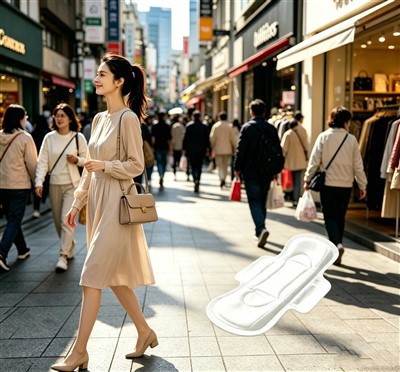
First, let’s get real: new feminine care brands aren’t all the same. Some are DTC startups built on TikTok trends, others are brick-and-mortar lines targeting super niche communities, and a lot of them are just people who’ve tried generic pads for years and thought “wait, this can be better.” The first question I always ask now is: Why is this new brand asking for a different pad type? Because that’s the make-or-break here.
Last year, I had a client that ran a TikTok account focused on neurodivergent menstrual health. They reached out saying their audience couldn’t stand the “crinkly” sound of standard pads. My first thought was, “Oh, just switch to a quieter top sheet—easy, no full pad overhaul.” But they pushed: “What about a pad that’s thinner at the edges so it doesn’t bunch under my favorite high-waisted jeans?” Wait, that was a different ask. Another client, a new brand targeting post-partum folks, asked for something absorbent enough for heavy flow but still thin enough to wear with loose lounge pants. That wasn’t “different for the sake of different”—that was solving a specific, underserved problem. Then there was the brand that just wanted to add “lavender” to their packaging and asked if I could make their pads “extra special for yoga people.” Yeah, that was just trend-chasing, no actual user need.
So let’s talk science here, and I’m keeping it simple, I swear. Pads are made of layers, right? The top sheet (that’s the part touching skin), the absorbent core, a barrier layer to stop leaks, and the back adhesive that keeps it in place. Most standard pads use wood pulp cores or a mix of wood pulp and superabsorbent polymer (SAP)—that’s the stuff that turns liquid into a gel. The top sheets are usually polyethylene (PE) plastic or cotton, with different textures (matte, perforated, crinkly).
Now, if a new brand’s need is “quieter top sheet”? That’s not a new pad type. I can source a matte cotton or microfiber top sheet that’s silent when you move—no new machinery, no full retooling, just a minor material swap that takes a couple of days to adjust for. If they want thinner edges? That’s adjusting the core’s contour, not a whole new pad. But if their need is “I need to hold 3x more heavy flow than standard, but not bulk up like a postpartum pad”? That’s a different core structure—maybe adding a layer of extra SAP without making the whole pad thick, or a modified barrier that’s flexible but leak-proof. That’s a different pad type, and it needs more work, but it’s worth it because it’s solving a real pain point.
Wait, but I’ve made the mistake of saying “yes” to a fake need before. Early on, I had a new brand that wanted “organic bamboo pads” even though their audience was price-sensitive and didn’t care if the core was wood pulp or bamboo. I spent weeks testing bamboo cores, switching suppliers, and pushing the price up 20% just for a “trendy” material. By the time they launched, their sales were garbage because 90% of their customers said the pad was too expensive and didn’t perform better than standard. That lesson hit hard: “different pad type” doesn’t equal “better pad” unless it’s tied to a user’s actual, measurable need.
Now, let’s talk about when you absolutely need a different pad type for a new brand. I’ve narrowed this down to three scenarios, all from my own supplier experience. First, when they’re targeting an underserved segment with unique physiological needs. Like, the neurodivergent brand I mentioned earlier—they weren’t just looking for a trend, their audience had sensory processing issues where the crinkle sound caused distress. I didn’t just swap a sheet, I created a custom contour that cut down on bulk, used a silicone-based adhesive that didn’t pull fine skin (important for people with sensory sensitivities), and tested it with 50 people from their community before we even sent a sample. That’s a different pad type, because it’s solving a specific medical/sensory need, not just a marketing gimmick.
Second scenario: when standard pads can’t hit their performance specs. Take the post-partum brand—heavy flow right after birth is way different than period flow. Standard pads max out at like 10-12 grams of absorbency, but post-partum people might need 15+ grams without the pad feeling like a diaper. So I had to create a core that had two layers: a top layer of soft pulp for quick absorption, and a bottom layer with extra SAP to hold more, plus a barrier that’s stretchier to move with their body as they heal. That’s a different pad type, and it required a small machinery adjustment (adding a core laminator) but nothing crazy—we rolled it out in 3 weeks, and their customers raved about it on their Instagram.
Third scenario: when they have regulatory or sustainability needs that standard pads can’t meet. I work with a few new brands that sell in the EU, where they have stricter rules on plastic content in feminine care products. My standard pads have a small amount of PE plastic in the barrier layer to prevent leaks, but a new brand coming in for the German market wanted a fully biodegradable barrier that still stopped leaks. That meant switching to a plant-based PLA barrier, adjusting the core to work with the natural fibers (since PLA is a little stiffer than PE), and getting third-party certification for biodegradability. That’s definitely a different pad type, not just a material swap, because it’s meeting regulatory requirements that my standard line doesn’t check.
But here’s the thing: most new brands don’t actually need a different pad type. They just need a customization of an existing pad. Let’s be real—new brands have tight budgets, especially when they’re just launching. If I say “yes, I can make you a totally new pad, no problem,” but it adds $0.50 per unit to their production cost, that’s a death sentence for them. I’ve had so many new clients come back and say, “Oh, wait, if it’s just a quieter top sheet, that’s fine—we can work with that, we didn’t need a whole new pad.” That’s when I learned to ask more questions, not just jump to “yes” to get the order.
So what should you do if you’re a supplier, like me, and a new brand asks if you need a different pad type? Here’s my step-by-step process that I’ve refined over the last year, no fancy consulting required. First, dig into their user. Ask them: “Who’s your core customer, and what’s the one thing they hate most about current pads?” If they can’t answer that, it’s a red flag—they’re just chasing a trend. If they say, “My customer is a teen who’s embarrassed by pads showing through leggings,” that’s a specific need, but it might be solved with a thinner contour pad, not a whole new type.
Second, do a quick feasibility check. My team and I have a chart that lists standard pad specs: absorbency, thickness, noise level, material, cost. If the new brand’s ask falls outside those specs, that’s when a different pad type makes sense. If it’s within 10% of standard, that’s just a tweak. For example, a teen asking for thinner? My standard “light flow” pad is 2mm thick; making it 1.5mm is a contour adjustment, not a new pad. But if they want something that’s 1mm thick and holds 10 grams of absorbency (which is way more than a standard light pad)? That’s a different core structure, so new pad type.
Third, test before you invest. I used to quote a new pad type without a sample, and end up with something that leaks or is too expensive. Now, I send a mini sample run (500 units) at a 20% discount, so the new brand can test it with their audience, and I don’t waste a ton of materials. Last quarter, a brand that wanted yoga-specific pads tested the mini contour pad we made, and their audience said it didn’t shift during downward dog—turns out, they didn’t need a new pad, just a better contour. That saved me thousands in retooling costs.
Now, let’s talk about the myths I hear all the time, because that’s what confuses new brands (and suppliers) the most. Myth 1: “Different pad types are way more expensive.” That’s only true if you’re retooling your whole production line for a one-off. A customized pad type for a niche segment might cost 10-15% more, but a gimmick is 30%+. Myth 2: “You need to have 10 different pad types to appeal to new brands.” No—standard lines have 3 core types: light, regular, heavy. Customized tweaks of those cover 90% of new brand needs. Myth 3: “Different pad types mean different packaging.” No, you can adjust packaging inserts instead of redoing the whole box—saves time and money.
Wait, but what about when a new brand really does need a totally new pad type? I had a client last month that works with trans men and non-binary people who menstruate. Their audience said standard pads are bulky, shape like a vagina, and make them feel dysphoric. So we created a slim, rectangular pad with no curved edges, a matte top sheet, and an adhesive that sticks to underwear without being visible. That’s a totally new pad type—we’d never made anything like it before. But it wasn’t a random ask; their user research was extensive, they had 10,000 followers waiting for the product, and they had pre-orders to cover the production cost. So that made it worth it. We didn’t just jump in—we worked with their community for 2 months on design, did 3 sample runs, and now that pad is their top seller. That’s the kind of “different pad type” that makes sense for both the brand and the supplier.
Here’s the wrap-up, since I know this is a lot, and you’re probably a supplier juggling 10 new client calls a week. The short answer is: no, you don’t need a different pad type for every new brand. But you do need to ask why they’re asking, check if their need is tied to a real user problem, and only commit to a different pad type if it fits a measurable, non-gimmicky need. If you can solve it with a material swap, contour adjustment, or existing core tweak, that’s better for everyone—lower costs, faster launch, happier customers. If it’s a real, niche need that standard pads can’t meet, that’s when a different pad type is worth the time and investment.
I’ve seen too many suppliers turn down new brands because they think a different pad is too much work, and I’ve seen too many new brands go with cheap, gimmicky pads because they thought they needed to “stand out” with a weird design. The sweet spot is meeting the user’s actual need, not checking a box for “different.” If you’re a new feminine care brand reading this (or a supplier like me who’s still figuring it out), and you want to chat about whether your pad ask is worth the work, hit me up. I’m always down to break down specs, share sample runs, or just rant about how many new brands ask for “lavender pads” with no actual user data. No sales pitch, just honest feedback—because we’re all in this to make better products, not just make a quick buck.
If you’re a supplier looking to talk through custom pad options for your next new brand, feel free to reach out to connect for a procurement conversation.
.
.
Adult Underpads References
- International Feminine Care Association. (2022). Niche Segment Needs in Menstrual Products.
- U.S. Food and Drug Administration. (2021). Safety Considerations for Custom Menstrual Absorbent Products.
- European Chemical Agency. (2023). Biodegradability Requirements for Feminine Care Packaging Components.
- Neurodivergent Menstrual Health Collective. (2023). Sensory Preferences for Menstrual Products.
- Small Business Administration. (2022). Cost Optimization for Custom Consumer Goods Launches.
Shenzhen Lechen Sanitary Products Co., Ltd.
As one of the most experienced female care products manufacturers and suppliers in China, we also support customized service with low price. We warmly welcome you to buy cheap female care products made in China here from our factory. For free sample, contact us now.
Address:
E-mail: gina@lechenpersonalcare.com
WebSite: https://www.lechenpersonalcare.com/
