Hey there! I’m an anti-static fabric supplier, and I often get asked how anti-static fabric actually works, especially in a textile factory setting. So, I thought I’d write this blog to share some insights on the topic. Anti-static Fabric
To start with, let’s talk about what static electricity is. You know those little shocks you get when you touch a metal doorknob after walking on a carpet? That’s static electricity. In simple terms, it’s an imbalance of electric charges within or on the surface of a material. When two different materials come into contact and then separate, electrons can transfer from one material to the other. This creates a buildup of static charge.
In a textile factory, static electricity can be a real pain in the neck. It can cause fibers to stick together, making the manufacturing process more difficult. Fabrics can also attract dust and lint, which affects the quality of the final product. And let’s not forget about the safety issues. A large enough static discharge can even cause a fire or explosion in environments where there are flammable materials.
So, how does anti-static fabric come to the rescue? There are a few different ways that anti-static fabrics are designed to work, and I’ll break them down for you.
Conductive Fibers
One of the most common methods is to incorporate conductive fibers into the fabric. These fibers act like little lightning rods for static electricity. They are usually made of materials like carbon, stainless steel, or a combination of conductive polymers.
When a static charge starts to build up on the fabric, the conductive fibers provide a path for the electrons to flow. Instead of getting stuck on the surface of the fabric, the electrons can move freely through the conductive fibers and dissipate safely. This helps to prevent the buildup of static charge and reduces the risk of static discharge.
In a textile factory, fabrics with conductive fibers are great for things like work uniforms. Workers can move around freely without having to worry about static shocks or their clothes attracting dust. The conductive fibers are usually blended with other regular fibers, like cotton or polyester, so the fabric still feels comfortable and looks normal.
Anti-Static Finishes
Another way to make fabric anti-static is by applying an anti-static finish. This is like a special coating that is added to the fabric during the manufacturing process.
Anti-static finishes work in a couple of different ways. Some finishes contain chemicals that attract moisture from the air. This thin layer of moisture on the fabric’s surface helps to conduct electricity and dissipate static charge. Other finishes work by altering the surface properties of the fabric, making it less likely for static charges to build up in the first place.
The great thing about anti-static finishes is that they can be applied to a wide range of fabrics. Whether it’s a lightweight cotton blouse or a heavy-duty polyester work jacket, an anti-static finish can help reduce static. In a textile factory, this is a cost-effective way to make regular fabrics safer and more functional.
Humidity Control
Believe it or not, humidity plays a big role in static electricity. When the air is dry, like in a textile factory during the winter months, static charges are more likely to build up. That’s because dry air doesn’t conduct electricity as well as moist air.
Some anti-static fabrics are designed to work in conjunction with humidity control systems in the factory. These fabrics are made to absorb moisture from the air, which helps to create a more conductive environment. Even if the humidity in the factory is a bit low, the fabric can still help reduce static.
In a factory setting, maintaining the right humidity level can be a challenge. But by using anti-static fabrics that work with humidity control, you can have an extra layer of protection against static electricity.
Testing and Quality Control
As a supplier, I know how important it is to test our anti-static fabrics thoroughly. We use a variety of tests to make sure that the fabrics meet the required standards for anti-static performance.
One common test is the surface resistivity test. This test measures how easily electricity can flow across the surface of the fabric. A lower surface resistivity means that the fabric is more conductive and better at dissipating static charge.
We also test the fabrics for durability. Anti-static properties can sometimes wear off over time, especially if the fabric is washed or exposed to harsh chemicals. So, we make sure that our fabrics maintain their anti-static performance even after multiple washes and uses.
In a textile factory, it’s crucial to use high-quality anti-static fabrics. Poorly made fabrics might not provide enough protection against static electricity, which can lead to production problems and safety hazards.
Benefits of Using Anti-Static Fabric in a Textile Factory
There are plenty of benefits to using anti-static fabric in a textile factory. First and foremost, it improves the quality of the products. By reducing static, the fabrics are less likely to attract dust and lint, which means the final products look cleaner and more professional.
Anti-static fabric also makes the manufacturing process more efficient. With less static interference, the machinery can run smoothly, and the workers can handle the fabrics more easily. This can lead to increased productivity and lower production costs.
From a safety perspective, anti-static fabric is a must. It reduces the risk of static discharge, which is especially important in factories where there are flammable materials. By using anti-static fabric, you can create a safer working environment for everyone.
Conclusion
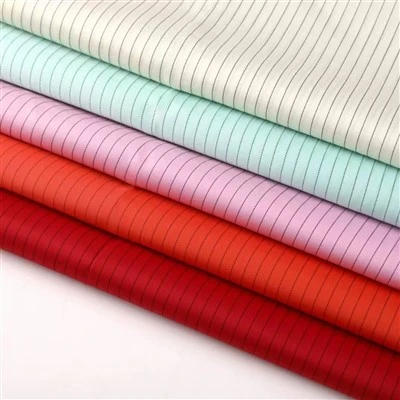
So, there you have it! That’s how anti-static fabric works in a textile factory. Whether it’s through conductive fibers, anti-static finishes, or working with humidity control, anti-static fabric is a great solution for dealing with static electricity.
Shade Cloth If you’re running a textile factory and you’re looking for high-quality anti-static fabric, I’d love to talk to you. I’ve got a wide range of options available, and I can help you find the perfect fabric for your needs. Don’t let static electricity slow you down. Get in touch with me, and let’s start a conversation about how anti-static fabric can improve your factory operations.
References
- "Textile Science and Technology: Fundamentals" by J. E. Booth
- "Electrostatics in the Textile Industry" by D. J. Griffiths
- "Advanced Textile Finishing" by T. N. Baker
Wujiang Jiashunxin Spray Weaving Co., Ltd.
As one of the most professional anti-static fabric manufacturers and suppliers in China, we’re featured by quality products and good service. We warmly welcome you to wholesale bulk customized anti-static fabric from our factory. If you have any enquiry about free sample, please feel free to email us.
Address: Xingli New Village, Lili Town, Wujiang District, Suzhou City, Jiangsu Province
E-mail: xuzhiqiang20260525@163.com
WebSite: https://www.shunbangfabric.com/
